

The property itself was never supposed to be difficult.
It was a new investment home.
Built properly.
Purchased with a long-term plan in mind.
Like most landlords, the owners simply wanted something stable.
A property that could quietly do its job in the background while life carried on around it.
At first, that’s exactly what it was.
But over time, things started becoming more complicated.
The property moved between agencies.
There were tenancy issues.
Communication between different parties became inconsistent.
And slowly, visibility around the property started disappearing.
Not all at once.
Just gradually enough for the owners to start feeling uneasy.
As the owner later explained:
"You feel like you lose control of your property."
And interestingly, that feeling didn’t come from one single event.
It came from not fully knowing:
- what condition the property was actually in
- what had already been identified
- what was being handled
- or who was properly managing what happened next
“We Already Knew How Much Work It Was Going To Be”

By the time the property came across to Aura Property, the situation was already well underway.
This wasn’t a clean, easy management transfer.
There were already significant issues unfolding.
The tenancy itself was unusual and complex.
Communication between multiple parties had become difficult.
There were outstanding concerns around the condition of the property.
And the owners were exhausted.
According to Stef from Aura Property:
“We already knew how much work it was going to be for us to take on.”
And yet, Aura still chose to step into the situation.
Not because it was commercially convenient.
But because the team could see how overwhelmed the owners had become.
As discussed internally afterward:
“We hate seeing landlords whose properties have been mismanaged.”
That became the driving focus from that point forward:
not simply managing a tenancy - but helping an owner regain confidence in an investment that had become emotionally draining.
The Part That Changed Everything
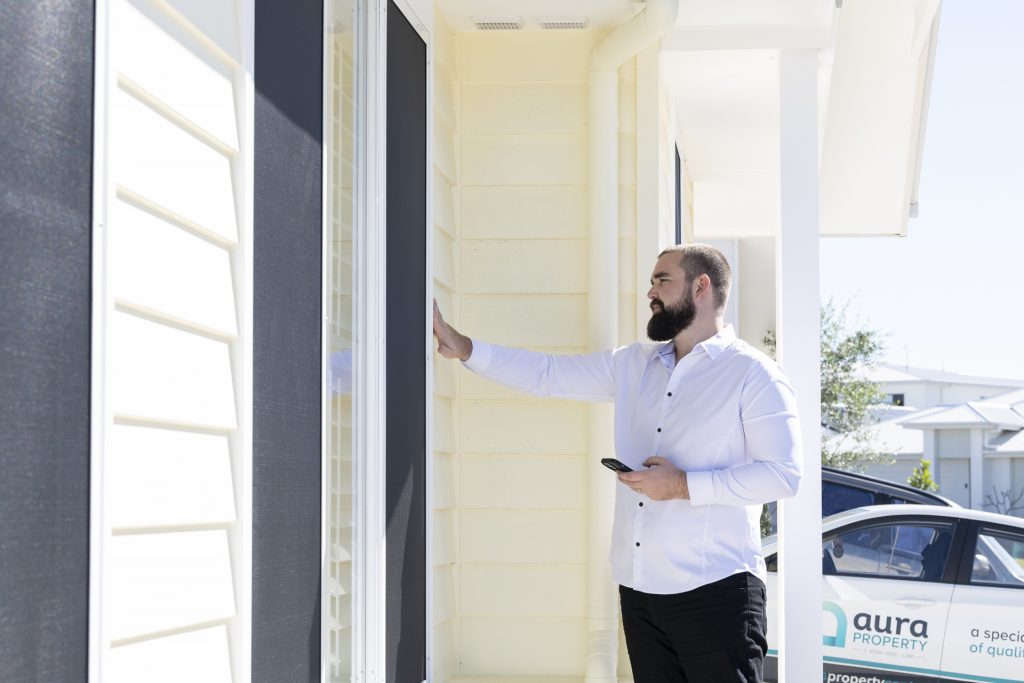
One of the biggest turning points came during the pre-vacate inspection.
During the walkthrough, things became clearer.
Issues were properly identified.
Responsibilities were separated.
And for the first time in a long time, there was an actual plan forming around what needed to happen next.
Stef personally walked through the property in detail.
Not simply identifying damage, but separating:
- tenant responsibility
- owner maintenance
- fair wear and tear
- urgent works
- and longer-term items
As Stef explained:
“I broke it all down so nothing was missed.”
That level of detail mattered.
Because by that point, the owner had already spent a long time feeling like nobody was truly overseeing the situation properly.
“It Wasn’t About Fixing Everything Overnight”

One thing both the owner and Aura agreed on was this:
There was no quick fix.
The situation itself was still unfolding.
There were still approvals required.
Trades still needed coordinating.
Repairs still needed managing.
And communication still needed to happen across multiple parties.
But what changed quickly was the feeling behind the process.
Instead of chasing updates endlessly…
There was someone actively following things up.
Instead of uncertainty…
There was structure.
Instead of waiting for problems to appear at final handover…
Trades, quotes, inspections, and planning were already being coordinated ahead of time.
As Stef explained:
“Most problems are easier to solve when everyone still has time.”
And that became one of the biggest differences in this situation.
Not perfection.
Not instant resolution.
Just somebody actively owning the process again.
The Emotional Side Of Property Investment People Don’t Talk About Enough

At one point during the process, the owner admitted he had seriously considered selling the property altogether.
Not because property investment itself no longer made sense.
But because the experience had become mentally exhausting.
As he explained:
“You start wondering whether it’s even worth it anymore.”
That’s the part of property management people often underestimate.
It’s not always the repairs themselves that create stress.
It’s the emotional weight that builds when problems continue drifting without clarity, communication, or direction.
And in many cases, that’s exactly where proactive property management matters most.
Not just when everything is easy.
But when situations become difficult.
“It Will Be Like A Brand-New Home Again”
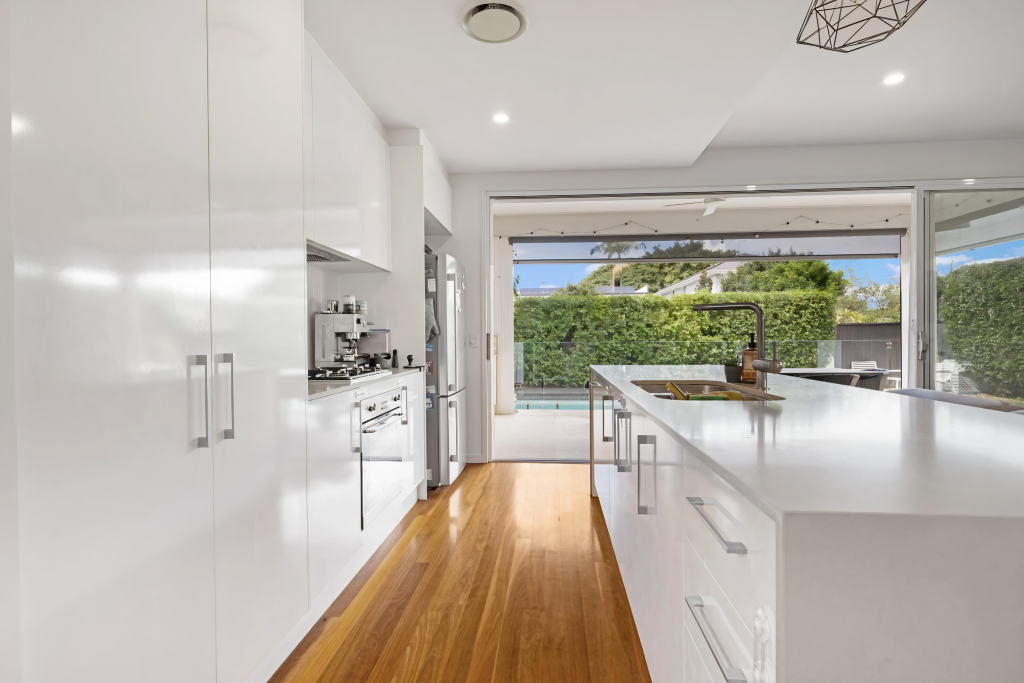
What makes this story particularly important is that the damage and tenancy issues themselves did not occur under Aura Property’s management.
Aura stepped into the middle of an already difficult situation.
And instead of avoiding the complexity, the team leaned into it.
Trades were coordinated early.
Quotes were organised.
Communication channels were rebuilt.
And the focus became restoring the property properly and advocating for the owner throughout the process.
As Stef explained:
“It will be like a brand-new home again.”
And ultimately, that’s what the owners got back:
confidence in the property again.
Not because the situation had been simple.
But because somebody finally took ownership of the process.
Trades were coordinated early.
Repairs were managed properly.
Communication became consistent again.
And the property was restored to a condition the owners could feel proud of.
For the first time in a long time, they weren’t sitting in uncertainty wondering what would happen next.
There was clarity.
There was structure.
And there was somebody actively advocating for the right outcome from beginning to end.

Most investment properties won’t experience a situation this complex.
But many landlords experience smaller versions of the same thing over time.
Slow communication.
Reactive management.
Issues not identified early.
Nobody fully owning the process.
And eventually, investment properties that were supposed to feel straightforward start feeling emotionally heavy instead.
Because most difficult property situations don’t begin with one catastrophic event.
They begin when small things slowly stop being actively managed.
If you’d like to understand how Aura approaches proactive pre-vacate inspections and tenancy management differently, you can read more here: See How Aura’s Pre-Vacate Process Works
You might also be interested in

Aug 25, 2026
He Couldn't Get a Single Agent to Meet Him Outside Business Hours. So He Kept Looking Until He Found One Who Would.
AURA PHILOSOPHY People don't just need property advice. They need someone who understands what the situation feels like. THE PROBLEM THAT SHOULDN'T HAVE BEEN A PROBLEM He had a property. A Kings Be

Jun 9, 2026
Pelican Waters Waterfront Property: Why Some Investments Need More Than Standard Management
Many investors assume every rental property can be managed using the same process. But when it comes to larger homes, waterfront properties and higher-value investments, that assumption can become ex